Learn to Type
6 guides · Updated 23 August 2026
Build touch typing from the home row outward, with attention on movement, memory and accuracy.
Each guide keeps one question in view, then gives you a manageable sequence and a way to notice what happened. Use the related topic and practice dossier when you want a path rather than a single reading.

Learn to Type
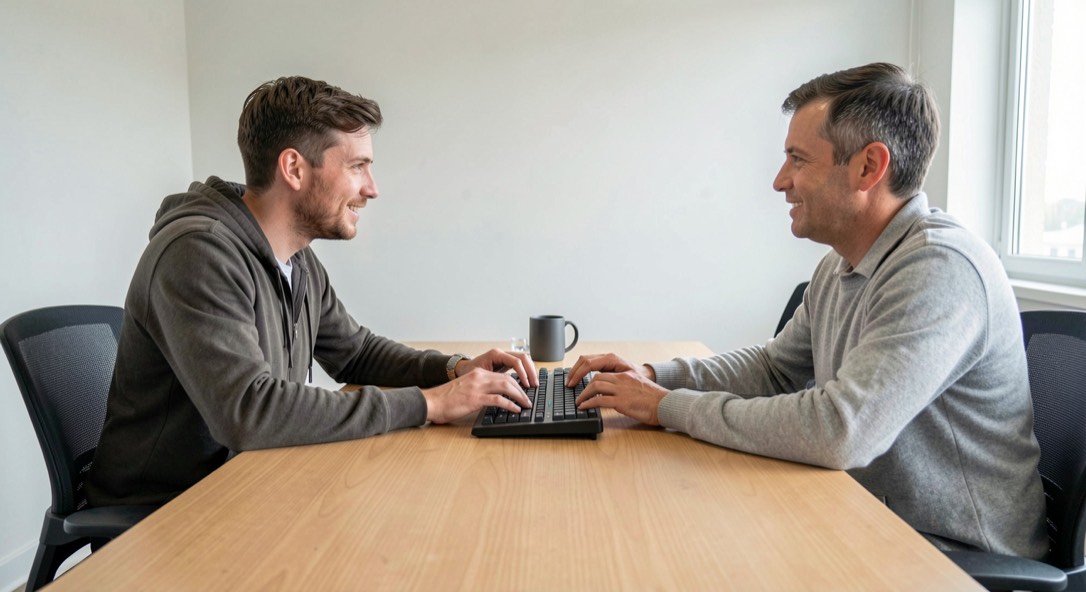
How home row builds accurate typing habits
Use the home row as a dependable reset point before adding speed or reach.
Learn to Type
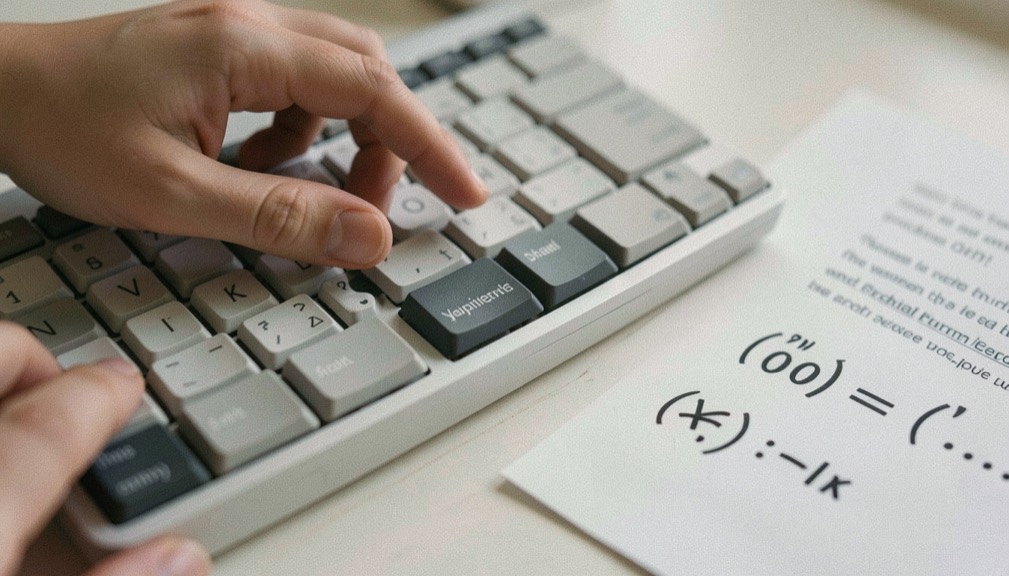
Learning punctuation without breaking rhythm
Treat punctuation as a movement transition, then make the transition predictable.
Learn to Type
Handwriting help in France, from nursery to CE1
How handwriting is learned in France from nursery to CE1, how a painful hand is assessed, and what parents, teachers and professionals can put in place.

Learn to Type
Reading Southwest Archaeology as a Visitor
What Chaco Canyon great houses and Mesa Verde cliff dwellings show, how the Pecos classification works, and the pottery, rock art and etiquette a traveller
Learn to Type
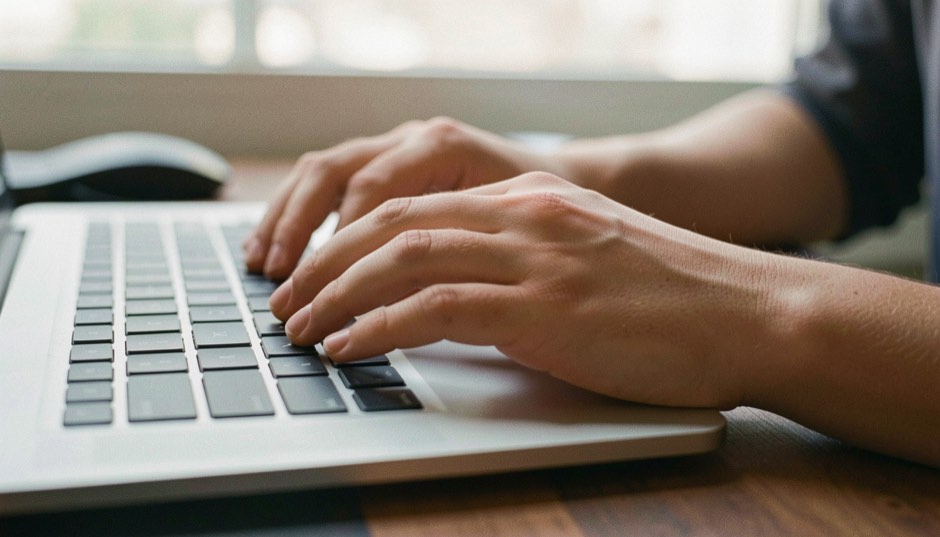
Is home row typing really the fastest way to type?
Touch typists are faster on average, but by less than most courses suggest, and much of the gap depends on where your eyes go.
Learn to Type
Where do your fingers go on the home row?
Each finger rests on one home key and owns a short column of keys above and below it. Here is the full map, number row included.
Most crafts open with a list that exists so the work itself can flow: a film crew has its droits à vérifier avant le tournage, a typist has the home row.